Anonymous browsing
Anonymous web browsing is the ability to hide personally identifiable information from websites being visited.
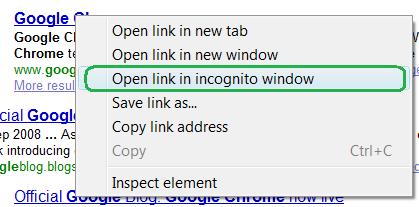
Popular browsers have the ability to activate ‘private’ browsing within their settings, such as Google Chrome’s incognito mode or Mozilla Firefox’s private browsing. These settings will ensure web page history is not recorded, cookies are not accepted and temporary files are not stored amongst other features. This however is not what is meant by the term ‘anonymous browsing’ because only the content placed on your machine is being blocked.
The webservers that contain the content you were viewing can log your IP address, where you are from, what pages you visited and other relevant pieces of information. Therefore, the simplest way to think of anonymous browsing is stopping webservers from retrieving and storing personal information about you, whereas private browsing is about stopping your own device logging information about your web surfing habits.
When online you will be identifiable from your IP address, a unique number used to send and receive information directly to your browser and PC. Think of it like a home address that gives us the ability to send letters and packages where they need to go. Using this unique IP a webserver can easily track your viewing habits, store this information and use it for processing later. This is often referred to as data collection and data mining.
The general purpose of anonymous browsing is to protect you by hiding your personally identifiable information, in most cases your IP address, from the target server. By doing so your surfing habits are not directly exposed to individual web servers.
There are many reasons internet users employ anonymous browsing. Some argue it is a right to privacy as ISPs and Governments push to record online data of customers and citizens, while others use anonymous browsing to circumvent content restrictions placed upon the World Wide Web such as watching TV shows only available in certain countries. Critics of anonymous browsing argue it has led to a rise in piracy, copyright infringement and indecent imagery begin sold, as tracking anonymous users is more difficult.









Publicar comentario