Internet bandwidth technologies
Ethernet Cable is the 802.3 Protocol, this technology allows the connection between devices such as Hubs, Switches and Routers by cable using the RJ-45 socket. The actual composition of the cables is where the bandwidth transfer speeds differ, 2 groups can be distinguished, the UTP (Unshielded Twisted Pair) that is usually used in homes and offices and is the most economical, and the STP (Shielded Twisted Pair) has a more business use, since it offers much higher transfer rates. The more quality the materials of a cable the more bandwidth can support, that is why there are different types of categories.

The 802.11 protocol, more popularly known as Wi-Fi, uses radio waves between devices, there are 2 frequency bands that use this protocol at 2.4 GHz and 5 GHz. In the 802.11 protocol there are different specifications used, which have been developed over the years. One of the most used is the 802.11 a / b / g specification that operates between a value of 54Mbps. It should be noted that the bandwidth may vary depending on the environment that surrounds it and the types of antennas that these devices have.
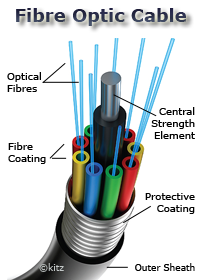
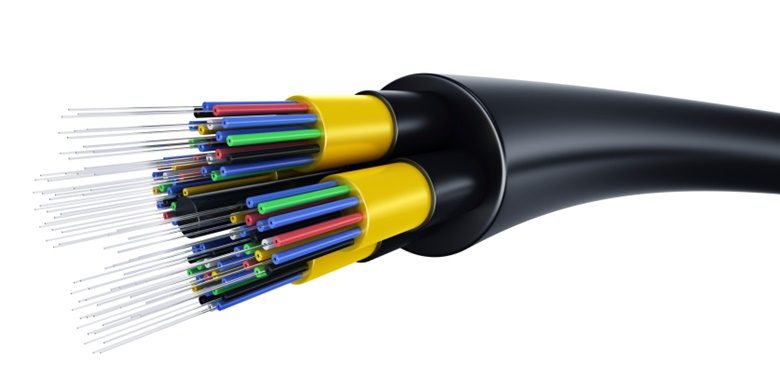
The Internet connection uses the technologies of Copper Cable and Fiber Optic cable to establish connections between homes, businesses and between continents. These cables can support different transfer speeds and bandwidth thanks to the materials used for their composition. The copper cables transmit the data through electrical signals thanks to their great conductivity, they are less expensive but they need more maintenance since the copper cable degrades quickly and in some areas it needs repeaters to maintain the integrity of the connection. In the fiber optic cable is made of a glass base that offers easy maintenance but is much more expensive, can travel long distances connected continents without difficulties and uses light signals that travel through the cable at speeds of approximately 200,000 KM / s .










Publicar comentario