Search engine optimisation (SEO) techniques
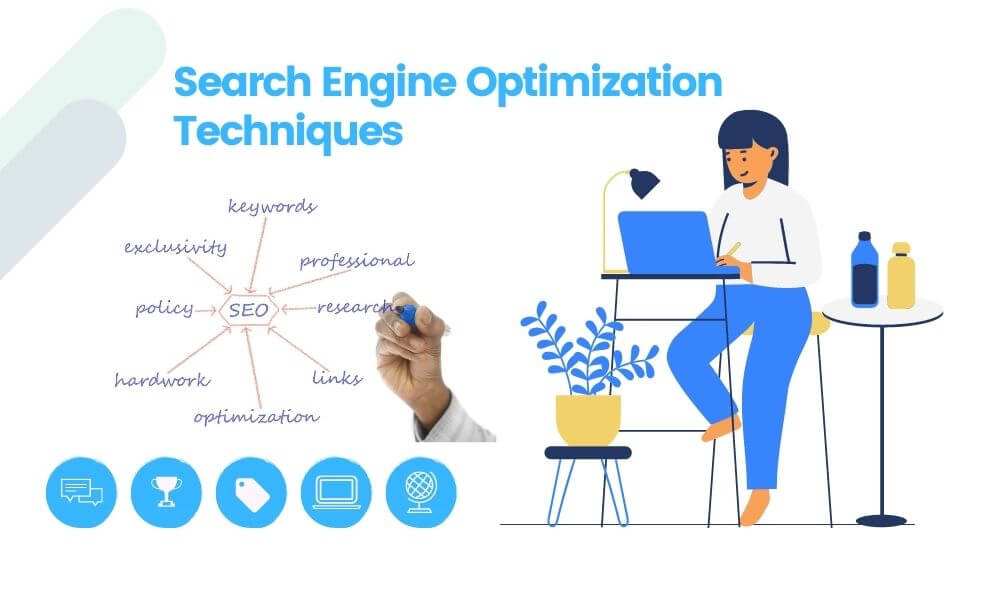
A search engine creates an index with the data obtained from visiting millions of sites on the World Wide Web. Conventional search engines use keywords and the number of visits a website has to rank their indexes and create a ranking of websites. Search engines give the search user millions of results that may not be relevant. That is why meta-searchers use the information that search engines have in their indexes to create their own search pages.
Currently, search engines tend to better classify sites that have been built under SEO (Search Engine Optimization) methodologies to classify their results. SEO is a technique that will improve the ranking of the page in the search engines, it is an extended practice among large companies to position their sites in the first line and thus be able to receive more visits and in turn more profits in their businesses.
The use of SEO methodologies have increased among websites. The advantages obtained by web administrators have not only helped companies to increase web traffic but also to position themselves higher in the search engine, they have also helped users and search engines to navigate the website more easily, since these techniques tend to organize the entire structure and links of a website increasing and making marketing strategies more profitable since it is aimed at users who actively seek certain products and services online.

Some SEO techniques make use of HTML (HyperText Markup Language) to highlight relevant data within a web page, some of them are:
- Use of the tag. The title tag shows a clear description of the site.
- The meta tag is used in a web page to insert information to be used by search engines, such as a description of the page and a series of keywords that a user considers relevant.
- Divide the content into smaller sections and paragraphs to make it easier to read with the labels H1, H2, H3, H4 and H5. Search engines give priority to header labels H1, H2 and H3 because they contain more relevant data.
- Use of friendly URL. Shorter URLs perform better in search engines and also import specific keywords within the URL.
- Make use of links to other pages of websites that ensures that the site is tracked properly, which allows search engines to find all the pages of the sites.










Publicar comentario