Differences between MIME, S/MIME and PGP/GPG

MIME (Multipurpose Internet Mail Extensions) is a standard proposed in 1991 by Bell Communications to expand the limited capabilities of e-mail and in particular to allow the insertion of documents (such as images, sound and text) into a e-mail.
MIME is the standard form of content to send over the network. MIME specifies data types, such as video, image, audio, or other formats that the files contain, was developed as an extension of SMTP.
MIME attaches to each new web transmissions a header where it indicates the type of content of the data to be sent. As a result of this information, both the server and the browser can handle and present the files correctly.
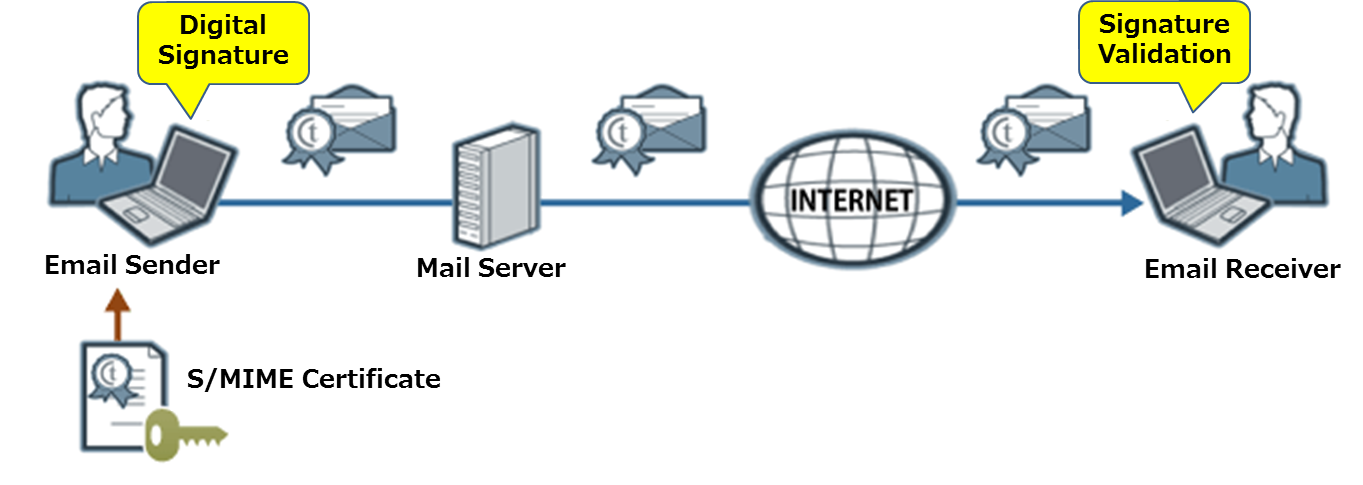
S / MIME (Secure Multipurpose Internet Mail Extensions) is a version of the MIME protocol that allows to encrypt the electronic mail and sign it digitally. The S / MIME encryption protocol is much more secure than MIME because these messages cannot be intercepted by third parties and assurance that it comes from the true sender. Phillip Zimmerman developed an alternative to encrypt and decrypt messages known as (Pretty Good Privacy), its operation is based on the principle of public and private key. The sender will encrypt the message with the receiver’s key, therefore once received the message, the receiver decrypted the message with its own private key.
There is another open source method of encrypting messages called GPG better known as GNU Privacy Guard, it works by creating a single key to encrypt and decrypt the contents of the emails including the attachments, but it does not have the ability to encrypt the email subject header.









Publicar comentario