Uses of Really Simple Syndication(RSS) and Atom

At the beginning of the 2000 it already had too much content in the web, for the users who wanted to review all their webs preferred in search of new contents that became very tedious, so it became the Really Simple Syndication (RSS) standard. With the arrival of the RSS to the users subscribe to a Web feed that gave the user all the new content added.

The user must install a software in the browser to read read content in RSS format and show it to the user. With this innovation the user does not have to visit all the preferred websites individually. The developer of the website had to introduce the tool that will send the RSS to the clients who registered to the Feeds on their website.
Atom is a newer RSS specification, has new functions that the RSS does not incorporate making a more robust standard and with more functions.
RSS and Atom. Both formats are written in XML language, it is a means of Web retransmission, very used especially in blogs.
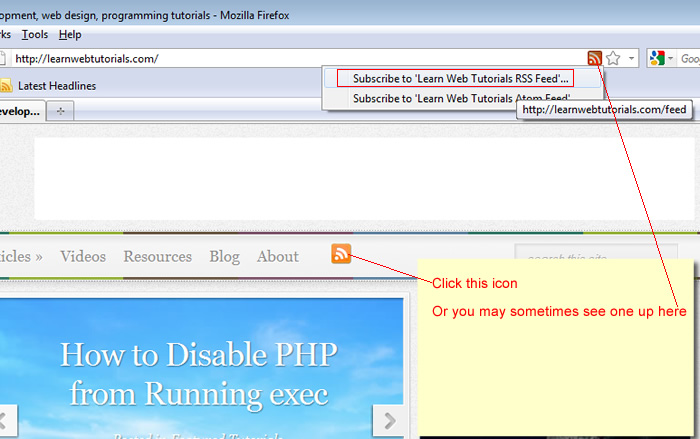
Being in XML format are very easy to process by applications. There are many applications that allow us to read and consume feeds, in order to use them we must subscribe to what we can do by indicating to the application that we are going to use the feed URL in RSS or Atom format as a reader.
Both RSS and Atom are widely compatible with all major consumer feed readers. However, Atom has several advantages over RSS, such as less restrictive licenses, an XML namespace, support for relative URI‘s, and RelaxNG support. Technically, Atom should be considered the most advanced syndication format between the two.









Publicar comentario