The purpose of the Domain Name System (DNS)
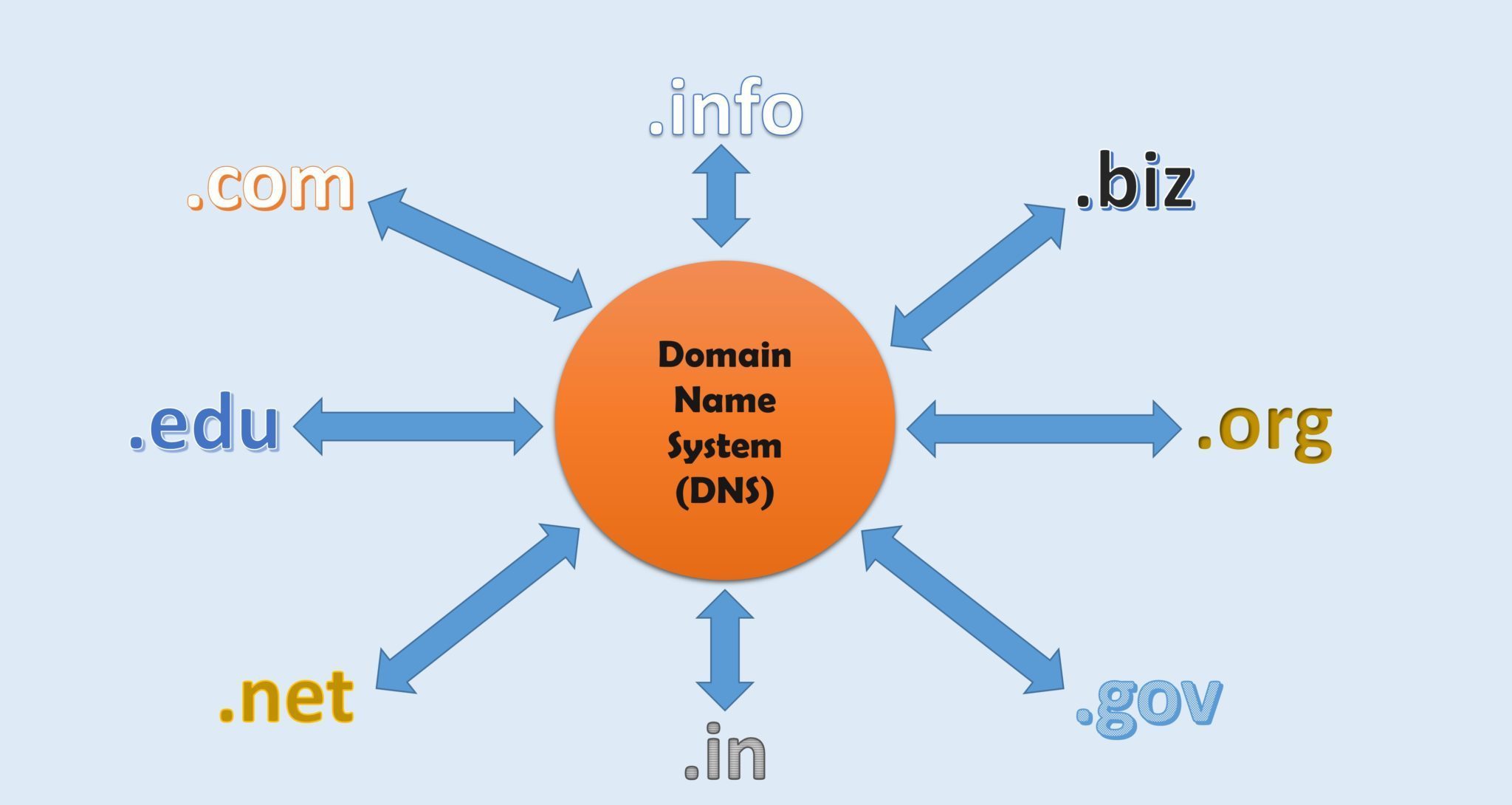
A Domain Name System (DNS) is a database that stores all domain names, and their corresponding IP numbers, for a particular top-level domain (TLD), such as .com or .net. The DNS identifies and locates computer systems and resources on the Internet. For example, when you type a web address, or URL, the DNS matches the written name with the IP address of that location and connects it to a site.
The domain name system is managed by the IANA(Authority of Internet assigned numbers). It is the entity that oversees the global assignment of IP addresses, autonomous systems, root servers of DNS domain names and other resources related to Internet protocols.

The domain name system is important for navigating the World Wide Web thanks to the fact that it allows a user to access a website through its name, since it is much easier to remember than the numbers on the Internet website, but the devices need the IP addresses to access the destination
Domain names are in the URI form, which are alphanumeric strings that point to a specific web resource. In order to resolve these threats, a DNS is sent that sends a domain name resolution name to obtain its IP address.
DNS Hierarchical Structure
For example: https://www.developers.facebook.com/developerProfile-xxxx
Scheme / Protocol: https
Host Name: www
Domain Name: facebook.com
Top-Level Domain: com
Subdomain: developers
Subdirectory: /developerProfile-xxxx
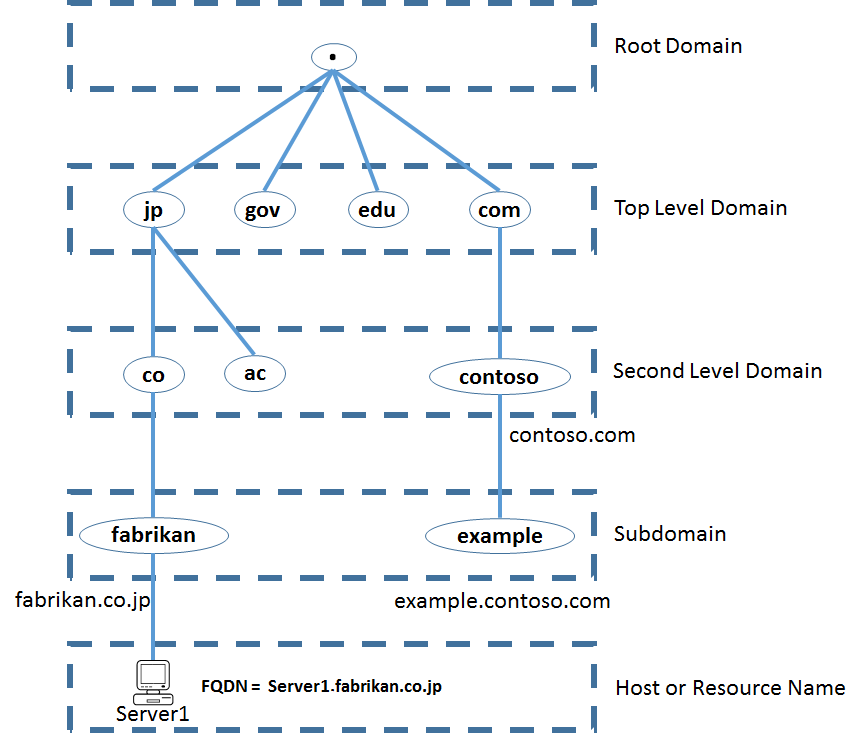
The Domain Name System uses an algorithm to create domain names with consistency. This algorithm creates a hierarchical structure arranged in the form of a tree. We can decompose the structure of the URI by means of the following rule:
The string to the far right after the dot corresponds to the top level of the hierarchy, the string to the left corresponds to the domain, and so on.
The domains are classified as tree according to their importance and can belong to institutions, countries, or companies.










Publicar comentario