The differences between the protocols IPv4 and IPv6
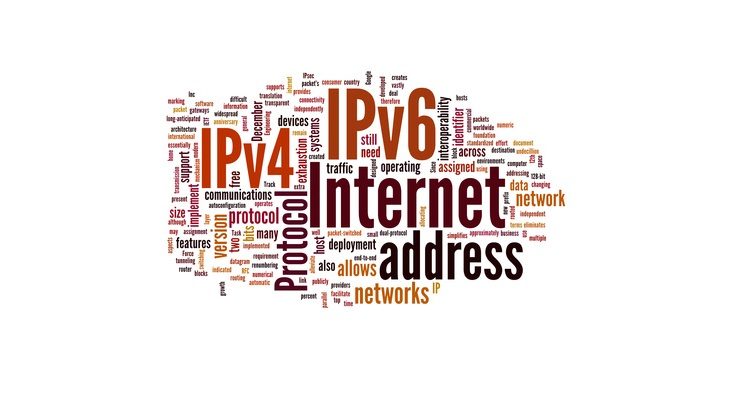
The protocols (IPv4 and IPv6)that identifies a computer on the Internet is called IP (Internet Protocol), it is similar to the phone number or the address of a house. They are numerical addresses that are assigned to the devices of a network to be able to identify them in a unique way, currently there are 2 IPv4 and IPv6.
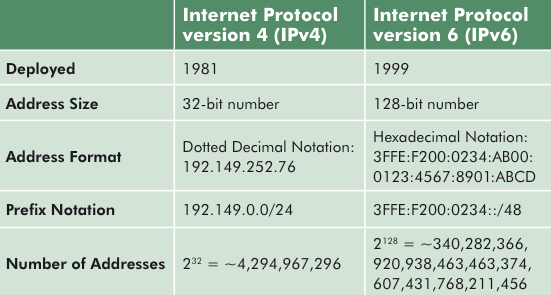
Protocol IPv4
IPv4 is a 32-bit address system divided into 4 parts delimited by a point, each contains a number of 8 bits or 1 byte and are shown in decimal form and has a range between [0.255] in decimal, or [00000000, 11111111] in its binary form.
IPv4 –> 192.168.1.1

Protocol IPv6
IPv6 is a 128-bit address system divided into 8 parts delimited by two points, each contains a 16-bit number and are shown in hexadecimal form and have a range between [0,65535] in its decimal form.
IPv6 –> FFFF: 0000 : 9876: 12AB: FEDC: 942C: CF58: 77AA









Publicar comentario